The short version
Wegovy is a brand of semaglutide approved for chronic weight management in adults with a BMI of 30 or higher, or 27 or higher with at least one weight-related condition. [1][2] It now comes in two forms: a once weekly injection pen and a once daily tablet. [1] Both are started low and stepped up over months so your body can adjust, and in trials people lost about 15 percent of their body weight on average over 68 weeks. [1][3] Results vary from person to person, and this is a medical treatment for a medical condition, not a cosmetic product.
This page is the hub for our Wegovy series. It covers the essentials in one place: eligibility, the two forms, the numbered titration ladder and 3-month blocks we prescribe in, what the first weeks feel like, the safety boundaries, how monitoring and follow-up work, and what it costs. At the end you will find the full reader journey, with a link to every companion article so you can go deeper on the part of treatment you are in right now.
What Wegovy is and who it is for
Semaglutide is a GLP-1 receptor agonist. It works on appetite signals and slows how quickly food leaves the stomach, so you feel full sooner and stay full longer. [4] Wegovy is the semaglutide product approved specifically for weight management. [1] Other semaglutide products exist for diabetes, and they are not interchangeable with Wegovy or meant to be combined with it. [1]
Wegovy is prescribed for adults who meet one of two thresholds:
- BMI of 30 or higher, with no other requirement. [1][2]
- BMI of 27 or higher with at least one weight-related condition such as high blood pressure, type 2 diabetes, or high cholesterol. [1][2]
It is used alongside a reduced-calorie diet and increased physical activity, not instead of them. [1] If you are near the line or unsure whether a condition counts, our guide to Wegovy eligibility in the United States walks through it in detail. Your provider will also review your history for the contraindications and cautions covered below before anything is prescribed.
The two forms: weekly injection and daily pill
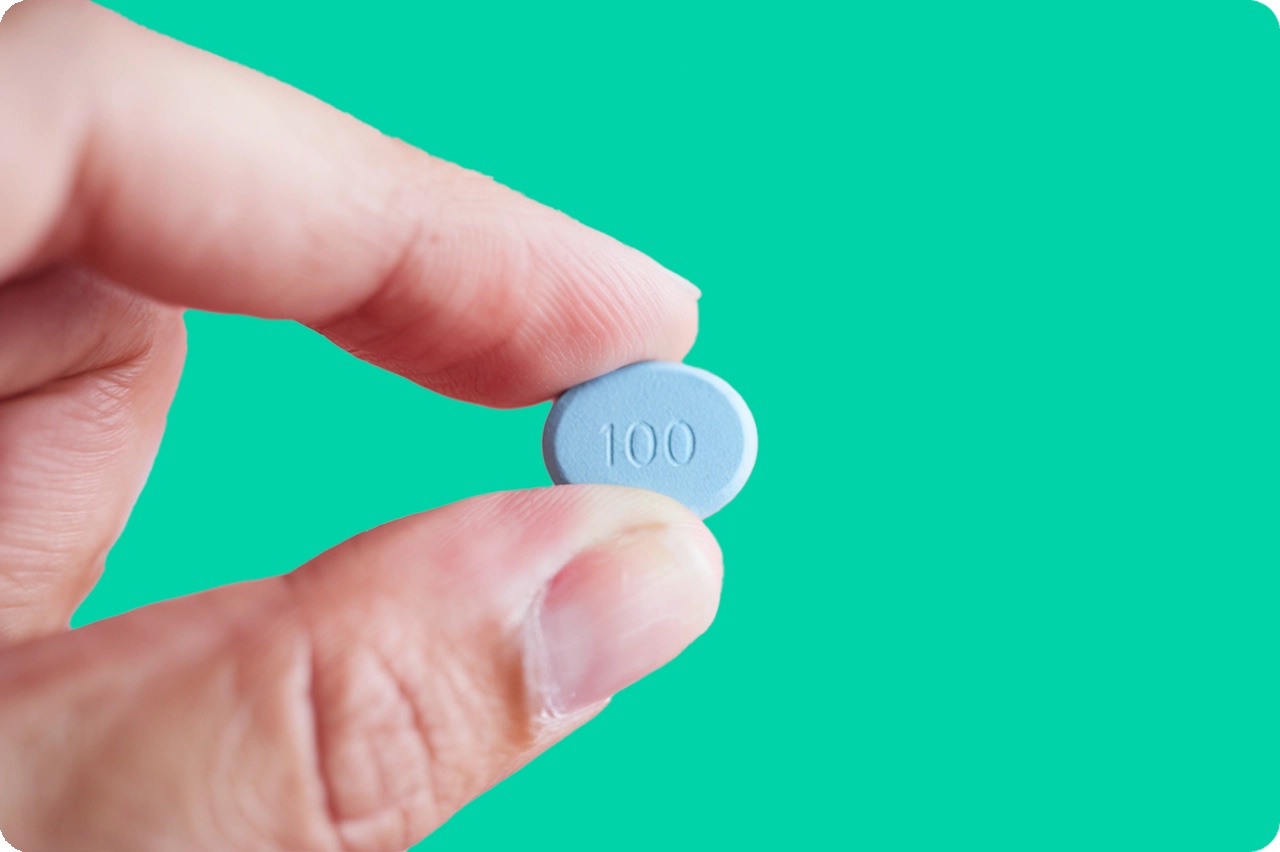
For years Wegovy meant the injection pen. The FDA has since approved an oral tablet [1], which we covered when it landed in our article on the Wegovy pill approval. Same active drug, different delivery, and the daily routine is quite different.
- How often. Injection: once weekly, same day each week. Pill: once daily, each morning. [1]
- Strengths. Injection: 0.25, 0.5, 1, 1.7, or 2.4 mg per injection, plus a 7.2 mg high-dose pen. Pill: 1.5, 4, 9, or 25 mg tablets. [1]
- Maintenance dose. Injection: 1.7 to 2.4 mg weekly, higher only in specific cases. Pill: 25 mg daily. [1]
- Food timing. Injection: with or without food, any time of day. Pill: empty stomach, with up to 4 oz of water, at least 30 minutes before food, drink, or other medicines. [1]
- Handling. Injection: rotate sites, single-use pens, sharps container, refrigerate. Pill: swallow whole, do not cut, crush, or chew. [1]
- Breastfeeding. Injection: discuss with your provider. Pill: not recommended on the label. [1]
Neither form is automatically better. The injection has the longer track record and only asks for one dose a week. The pill avoids needles but has a strict morning routine that has to be followed every day for it to absorb properly. [1] Your provider will help you choose based on your history and what you will realistically keep up.
The titration ladder and 3-month blocks
Wegovy is never started at the full dose. [1] Each form climbs a ladder, and the climb is what keeps stomach side effects manageable.
Injection ladder, numbered
Well Revolution prescribes the Wegovy injection in 3-month blocks, and we number the steps so you always know where you are: [5]
- Step 1: 0.25 mg weekly, month 1 [1][5]
- Step 2: 0.5 mg weekly, month 2 [1][5]
- Step 3: 1 mg weekly, month 3 [1][5]
- Step 4: 1.7 mg weekly, month 4 [1][5]
- Step 5: 2.4 mg weekly, month 5 onward, the maintenance dose [1][5]
A new start is the starter block: steps 1 to 3, one month each. [5] A continuation block either continues up the ladder or holds at maintenance, whichever your prescribing provider decides is right for you. [5] The label allows a step to be delayed 4 weeks if a dose is not tolerated. [1] When that happens it shifts your calendar, it does not change the ladder. [5] Some people stay at 1.7 mg rather than 2.4 mg, and a 7.2 mg weekly dose exists on the label only after at least 4 weeks on 2.4 mg, for cases the provider judges appropriate. [1]
Pill ladder
The tablet climbs on a 30-day cadence: 1.5 mg for 30 days, then 4 mg for 30 days, then 9 mg for 30 days, then 25 mg each morning as the maintenance dose. [1] Our 3-month block structure is written for the injection; how the pill is blocked is set by your provider. [5]
Switching between forms
The label describes moving in either direction. [1] From 2.4 mg weekly injection to the 25 mg pill, you start the pill 1 week after your last injection. [1] From the 25 mg pill to the injection, you start 2.4 mg weekly the day after your last tablet, or 1.7 mg if the 25 mg pill was not tolerated. [1] Do not switch on your own; the dose you land on matters. The full month-by-month detail for both forms, including missed-dose rules, is in Wegovy dosing schedule: injection vs pill.
What to expect
Results
In the clinical trials, average weight loss was about 15 percent of body weight over 68 weeks. [3] That is an average across a large group. Some people lose more, some less, and the early months at low doses are mostly about tolerance rather than weight change. Judging the medication by the first 4 weeks is judging it before it has reached a working dose.
Side-effect timeline
The most common effects are nausea, vomiting, diarrhea, constipation, abdominal pain, heartburn, bloating, headache, fatigue, dizziness, and hair loss. [1] Stomach symptoms typically show up after a dose increase and usually settle within the first 2 to 4 weeks at each step. [5] Smaller meals, slower eating, and staying hydrated make a real difference. If nausea is the problem, our guide to managing GLP-1 nausea has practical fixes and when medication for it is reasonable.
Prolonged vomiting or diarrhea carries a dehydration risk, and dehydration is one route to kidney injury, so persistent symptoms are a message to your provider, not something to wait out. [1] How to tell normal GLP-1 effects from stop-now warnings draws the line between expected and urgent.
Safety: the boundaries that do not move
Black box warning
Wegovy carries a boxed warning for thyroid C-cell tumors, based on rodent studies. [1] It is not prescribed to anyone with a personal or family history of medullary thyroid carcinoma or with Multiple Endocrine Neoplasia syndrome type 2. [1] Tell your provider right away about a lump in the neck, trouble swallowing, shortness of breath, or hoarseness that does not go away. [1] The label notes that routine calcitonin blood tests or thyroid ultrasounds have uncertain value, so they are not a standard part of monitoring. [1]
Contraindications
- Known hypersensitivity to semaglutide or any component of the product [1]
- Pregnancy: the label says to stop Wegovy when pregnancy is recognized, and at least 2 months before a planned pregnancy. It is a label warning rather than a formal contraindication. [1]
- Breastfeeding on the oral form: not recommended on the label [1]
- Personal or family history of medullary thyroid carcinoma [1]
- Multiple endocrine neoplasia type 2 [1]
Cautions your provider weighs
Kidney impairment, volume depletion, a history of or risk for pancreatitis, diabetes and diabetic retinopathy, severe gastroparesis, planned surgery, and being of childbearing potential. [1] None of these are automatic refusals, but some need a specialist's input first. When Wegovy needs a specialist first explains which histories get referred and why. Prior gallbladder removal comes up often; we answered it directly in can I take Wegovy or Zepbound after gallbladder removal.
Pregnancy
Wegovy is stopped at least 2 months before a planned pregnancy. [1] If you become pregnant while taking it, stop and contact your provider. [1] Novo Nordisk runs a Wegovy Pregnancy Registry at 1-877-390-2760. [1]
Serious reactions to know by name
Pancreatitis, gallbladder disease including gallstones and cholecystitis, acute kidney injury, severe stomach reactions, ileus or bowel obstruction, low blood sugar when combined with diabetes medications, fainting, hypersensitivity including anaphylaxis, and aspiration during anesthesia because the stomach empties slowly. [1] That last one is why you must tell your surgeon or anesthesiologist you are on Wegovy before any procedure. [1] Because it slows digestion, it can also change how oral medicines are absorbed, so your provider reviews everything you take. [1]
How monitoring and follow-up work
The label names two monitoring parameters: heart rate, and blood glucose at baseline if you have diabetes and then periodically. [1] Beyond that, the label sets no fixed lab schedule, and Well Revolution has not yet published a monitoring table for semaglutide. [1][5] What that means in practice is that your provider decides, based on your history, whether you need anything more than the label minimum, and how often. Someone with kidney disease or a pancreatitis history will be watched differently from someone with neither. Full detail is in Wegovy monitoring: what your provider checks and when.
Follow-up is built around the dose steps. Each step change is a check-in on tolerance, and each 3-month block is a decision point on whether to climb, hold, or pause. [5] Our chat-based model means you message when something is off rather than waiting for a scheduled slot. Wegovy follow-up schedule: dose steps and check-ins lays out the rhythm.
Cost and access
The medication itself is the expensive part, and access shifts often. Three situations account for most of the questions we get:
One thing we are asked about and do not recommend: stretching pens by counting clicks. Wegovy click counting explains why the practice exists and where it goes wrong.
Your reader journey: every article in this series
Treatment has a before, a during, and an after. Each companion article covers one stage.
What it costs with Well Revolution
$80 for the Limited Treatment Plan. If approved, you will receive a 90 day treatment plan with 7 days a week support. Perfect for first time patients who are trying it out.
Or $90 for the Unlimited Membership. If approved, you will receive a full year of care with 7 days a week support, plus unlimited prescriptions, lab tests, imaging orders, letters and referrals with same day care, cancel anytime, no fees. Perfect for established patients looking for full care.
Getting started with Well Revolution
Care is chat-based with a licensed provider, same day, no appointment needed. Message us, tell us where you are and what you are hoping to treat, and we will confirm coverage in your state before you commit to anything.
References
- Novo Nordisk. Wegovy (semaglutide) prescribing information. FDA DailyMed, label updated 2026-06-18. DailyMed
- Bald E, Raber H. Semaglutide (Wegovy) for the Treatment of Obesity. Am Fam Physician. 2023. PubMed 36689981
- Wilding JPH, et al. Once-Weekly Semaglutide in Adults with Overweight or Obesity (STEP 1). N Engl J Med. 2021. PubMed 33567185
- Bergmann NC, et al. Semaglutide for the treatment of overweight and obesity: A review. Diabetes Obes Metab. 2023. PubMed 36254579
- Well Revolution semaglutide titration protocol, approved 2026-08-25 by PA Michael Rubio, US Medical Director (internal, no link).
Reviewed by PA Michael Rubio, US Medical Director