The short version
The first weeks on tretinoin are the worst part of the whole treatment, and they are also expected, temporary, and written on the label. Roughly a third of people get real irritation early: dryness, flaking, stinging, redness. [1] Many also see acne look worse for a stretch, the so-called purge; the label itself says this early flare is the medicine acting on deep, previously unseen lesions and should not be read as failure. [2]
Knowing the timeline is what keeps people from quitting a treatment that was three weeks from working. Here is what the first two months typically look like, what softens them, and what your provider actually assesses at the 8-to-12-week check.
Weeks 1 to 2: retinization begins
Retinization is skin adjusting to a retinoid: faster cell turnover it has never been asked for. Expect tightness, dryness, fine flaking, and a transitory warmth or slight sting on application, which the label describes as normal. [1][2] This is the window where technique matters most: pea-sized amount, thin layer, moisturizer generously, and if it is too much, every second or third night rather than stopping. [1][3] The label is explicit that reducing frequency and resuming when skin tolerates it is the designed response, not a defeat. [2] Full technique in the first-night briefing.
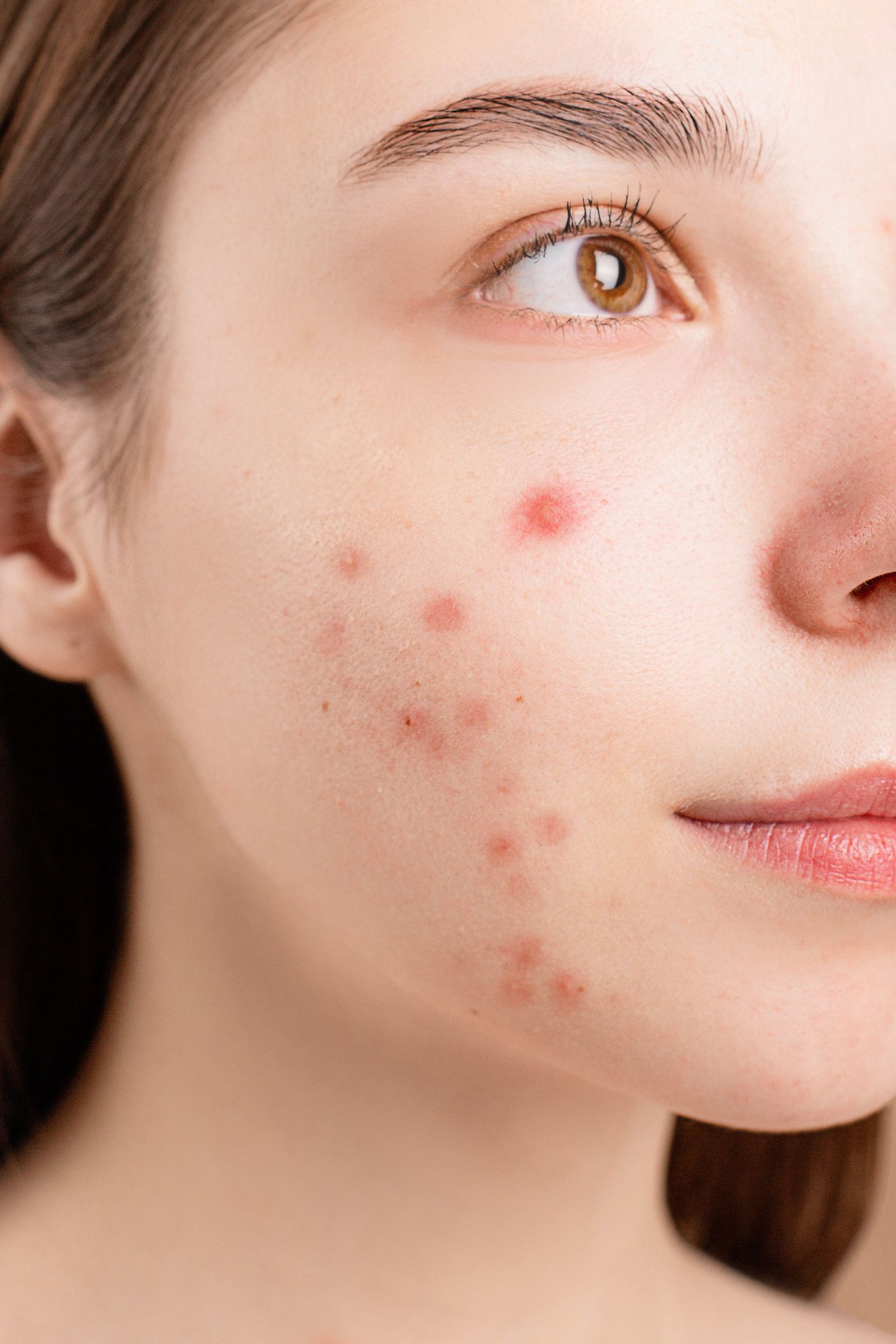
Weeks 2 to 6: the purge, for some
Not everyone purges, but when it happens it is usually in this window and can last roughly 4 to 6 weeks: inflamed spots surfacing in your usual breakout zones. [1][2] The mechanism is the point: tretinoin accelerates the life cycle of clogs that were already forming under the surface, so they show up sooner rather than never. [1] New breakouts in places you never break out, or worsening past week 6 to 8, is not classic purge and is worth a message rather than more waiting.
Weeks 6 to 12: the turn
The label puts first visible results at 2 to 3 weeks and definite improvement past 6 weeks; the trials that established tretinoin for acne measured their endpoints at 12 weeks. [1][2] In that window irritation typically fades as skin finishes adapting, nightly use becomes comfortable, and the lesion count starts genuinely dropping rather than cycling. This is why the plan is written in 12-week units and why nobody should judge tretinoin, up or down, at week 3.
What softens the whole ride
- Moisturizer, without hesitation. Before, after, or both, the sandwich approach buffers irritation without meaningfully blunting the treatment. [1][3]
- Short-contact starts. Washing tretinoin off after 30 to 60 minutes for the first applications, then extending, is a guideline-supported ramp for sensitive skin. [1]
- Frequency before strength. Every second or third night, stepping toward nightly as tolerated. [1][2]
- Nothing harsh alongside. Scrubs, strong acids, and high-alcohol products stack irritation for no benefit, and the label says to rest skin off drying products before starting. [2]
- Sunscreen daily. Retinized skin burns easier; sun protection is part of the treatment, not an accessory. [2][4]
What the 8-to-12-week check actually decides
Your provider looks at three things: tolerance (are you at nightly use comfortably), trajectory (is the lesion count falling), and fit (any signs this is not straightforward acne after all). The outcomes are step up a strength, hold and continue, add a second agent, or rethink the diagnosis, each covered in the strengths article and when acne needs more than tretinoin. [1][3] After clearing, tretinoin usually stays as maintenance, often at reduced frequency, because retinoids are the guideline cornerstone for keeping acne gone. [3][5]
One boundary to hold all the way through: irritation that escalates to severe redness, swelling, or blistering is not retinization and has its own instructions, in warning signs. [2]
What it costs with Well Revolution
$80 for the Limited Treatment Plan. If approved, you will receive a 90 day treatment plan with 7 days a week support. Perfect for first time patients who are trying it out.
Or $90 for the Unlimited Membership. If approved, you will receive 3 months of care with 7 days a week support, plus unlimited prescriptions, lab tests, imaging orders, letters and referrals with same day care, cancel anytime, no fees. Perfect for established patients looking for full care.
Getting started with Well Revolution
The rough weeks are exactly when having a provider in your pocket matters: send a photo, ask "is this normal," and get an answer the same day instead of quitting at week 3. Message us and we confirm coverage in your state. Starting from zero? Read how to get a tretinoin prescription online first.
References
- Eichenfield DZ, et al. Management of Acne Vulgaris: A Review. JAMA, 2021. PubMed 34812859
- Retin-A (tretinoin) prescribing information. Via FDA DailyMed. DailyMed
- Reynolds RV, et al. Guidelines of care for the management of acne vulgaris. Journal of the American Academy of Dermatology, 2024. PubMed 38300170
- Weiss JS, et al. Topical tretinoin improves photoaged skin. A double-blind vehicle-controlled study. JAMA, 1988. PubMed 3336176
- Zaenglein AL. Acne Vulgaris. New England Journal of Medicine, 2018. PubMed 30281982
Reviewed by PA Michael Rubio, US Medical Director