Occasional ED is still ED, and it is one of the most treatable versions of it
If your erections work fine sometimes, alone, in the morning, with one partner but not another, and fail at other times, that is still erectile dysfunction. It even has a name: situational ED, and when anxiety is driving it, psychogenic ED. You do not need to fail every single time for it to "count," and this on-again-off-again pattern is one of the most common presentations clinicians see in younger men.
Many men with occasional ED never ask for help because they assume a doctor will tell them nothing is wrong. The opposite is closer to the truth. The inconsistency is not noise to be explained away; it is diagnostically useful information that points a clinician toward the likely cause and shapes what treatment makes sense. And medications like sildenafil (Viagra) are FDA-approved for erectile dysfunction broadly; the label does not restrict them to men with a purely physical cause. Whether medication is the right answer for you is a clinical judgment made case by case, which is exactly why the conversation with a real clinician matters.
One more piece of context worth holding onto. The younger you are, the more likely the cause is psychological rather than physical: performance anxiety, stress, a new partner, or one bad night that snowballed into dread of the next one. That is genuinely good news, because it usually means the plumbing works. But it is also why the evaluation matters. A small share of younger men with ED have an underlying issue, hormonal, vascular, or medication-related, that deserves to be found rather than papered over.
How a clinician reads the on-again-off-again pattern
A clinician does not need a lab or an exam room to start sorting this out. The pattern in your history does most of the work, and a thorough history is the core of the evaluation. The story that points toward performance anxiety or another psychological cause usually sounds like this: the problem started suddenly, often after a specific stressful event or a single bad experience, rather than fading gradually over months. Morning or nighttime erections are still normal, which tells you the hardware works while you sleep. Function varies by situation, fine during masturbation or with one partner, unreliable with another, or only a problem when it "matters." And there is often a clear stress link: a new relationship, relationship conflict, work stress, or spectatoring, meaning watching yourself perform instead of being present.
The opposite story points toward a physical (organic) cause: gradual onset, steadily worsening, consistent across every situation, and weaker or absent morning erections. That pattern in a younger man is less common but more important. It can be an early flag for cardiovascular, hormonal, or neurological issues, or a side effect of a medication you are already taking, and it changes what the clinician does next. Additional tests, hormone checks or a blood pressure review, come into play only when the story or symptoms genuinely call for them.
So will a doctor actually prescribe something?
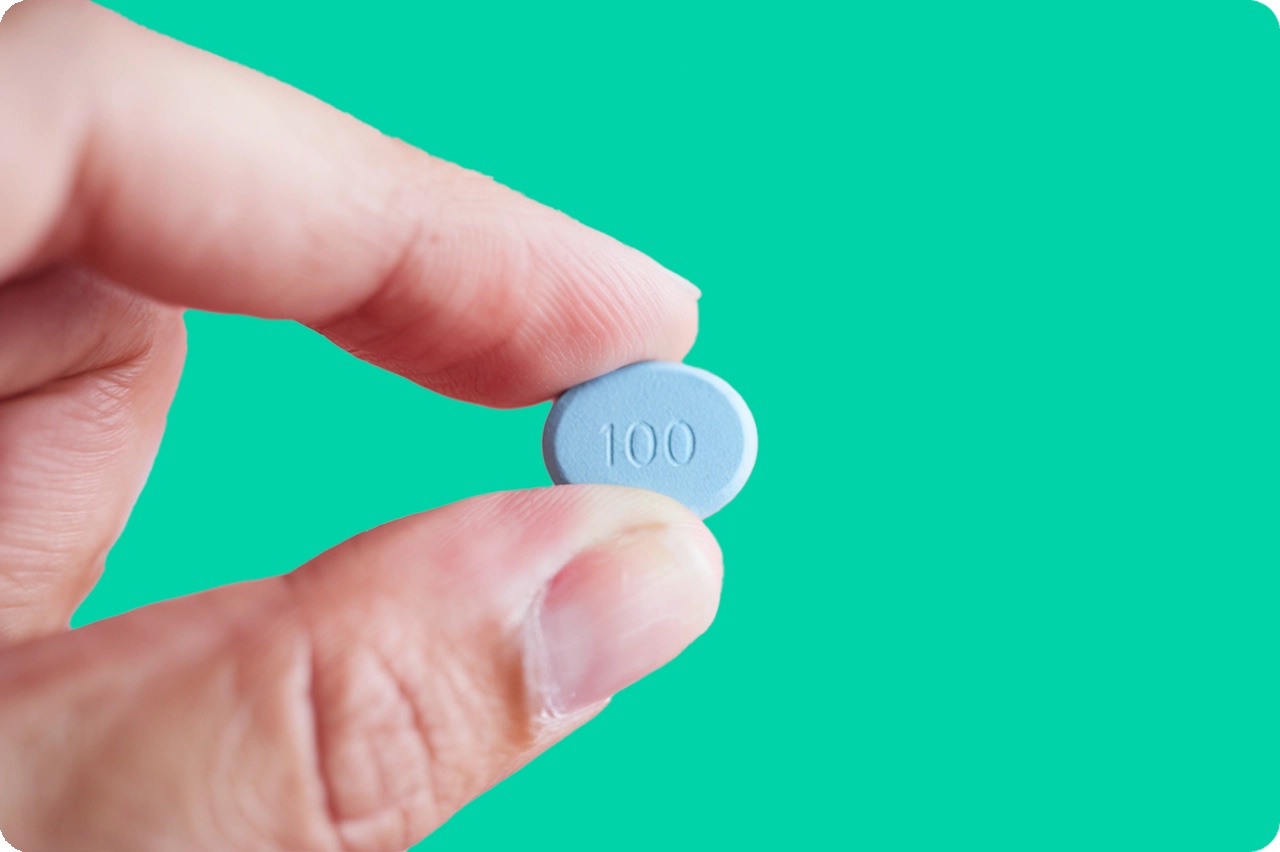
Here is the honest answer to the question you searched: yes, ED caused by performance anxiety is treated with prescription medication, including at Well Revolution, when the evaluation supports it and the safety screen is clear. There is no rule that says ED medication is only for men with a physical cause. Guidelines from the American Urological Association recommend that clinicians discuss FDA-approved oral ED medications (sildenafil, tadalafil, and others) with men who have ED unless there is a reason not to, and for men whose ED is predominantly psychological, they also recommend offering psychotherapy or sex therapy, either instead of medication or alongside it.
How the decision actually gets made
The reasoning runs in a particular order, and it is worth seeing the whole sequence rather than jumping to the prescription at the end of it.
First comes ruling out the things that must not be missed: a short screen for cardiovascular risk, medications that can cause ED (some blood pressure drugs, antidepressants), alcohol and substance use, and symptoms that suggest low testosterone, such as low libido and fatigue. If red flags show up, those get worked up first, before anyone reaches for a pill.
Then the treatment gets matched to the cause. When the picture is clearly performance anxiety, some clinicians prescribe a short course of a PDE5 inhibitor as a confidence bridge. The logic is simple: the fear of failing is itself what causes the failing, so a few reliable experiences can break the anxiety cycle. Others lead with counseling or sex therapy techniques, and research suggests combining the two works better than medication alone for anxiety-driven ED.
Last, and non-negotiable, is the safety screen. ED medications are never appropriate if you take nitrates, because the combination can drop blood pressure to dangerous levels, and dosing needs adjusting around certain other medications and conditions. This is why a real prescriber conversation is required, not just a checkout form.
The part nobody selling you pills will say
Medication treats the erection, not the anxiety. Studies of men with psychogenic ED show sildenafil reliably improves erections, but anxiety scores often do not budge unless the anxiety itself is addressed. For a lot of men that is fine: a short medication bridge plus a few honest conversations is enough, and the anxiety fades once the track record improves. For others, ongoing performance anxiety, relationship strain, or depression is the real issue, and a pill alone leaves it untreated. A good clinician tells you which one you are, even when the answer is "you may not need a prescription at all."
Getting a straight answer without the waiting room
Occasional ED is real ED, it is extremely common in younger men, and it is very treatable, often more easily than the persistent kind. The obstacle is rarely medical. It is the awkwardness of sitting in a waiting room to say the words out loud.
That is the part Well Revolution removes. Our consultations are chat-based: you type, from wherever you are, with no appointment, no video call, and no waiting room. A licensed US clinician reviews your situation the same day, asks the questions covered above, and gives you a straight answer about what your pattern suggests and what treatment, if any, fits it. We do prescribe ED medication for anxiety-driven and situational ED when the evaluation supports it, and if a prescription is appropriate, it can be issued the same day. If what you actually need is reassurance or a different kind of help, you will get that instead. Support is unlimited, so the follow-up questions you think of at midnight are covered too. Message us and we'll confirm coverage in your state.
Concerned about who might see an ED prescription? Read our guide on getting ED medication without using insurance and keeping it private.
Reviewed by PA Michael Rubio, US Medical Director
What it costs with Well Revolution
$80 for the Limited Treatment Plan. If approved, you will receive a 90 day treatment plan with 7 days a week support. Perfect for first time patients who are trying it out.
Or $90 for the Unlimited Membership. If approved, you will receive a full year of care with 7 days a week support, plus unlimited prescriptions, lab tests, imaging orders, letters and referrals with same day care, cancel anytime, no fees. Perfect for established patients looking for full care.