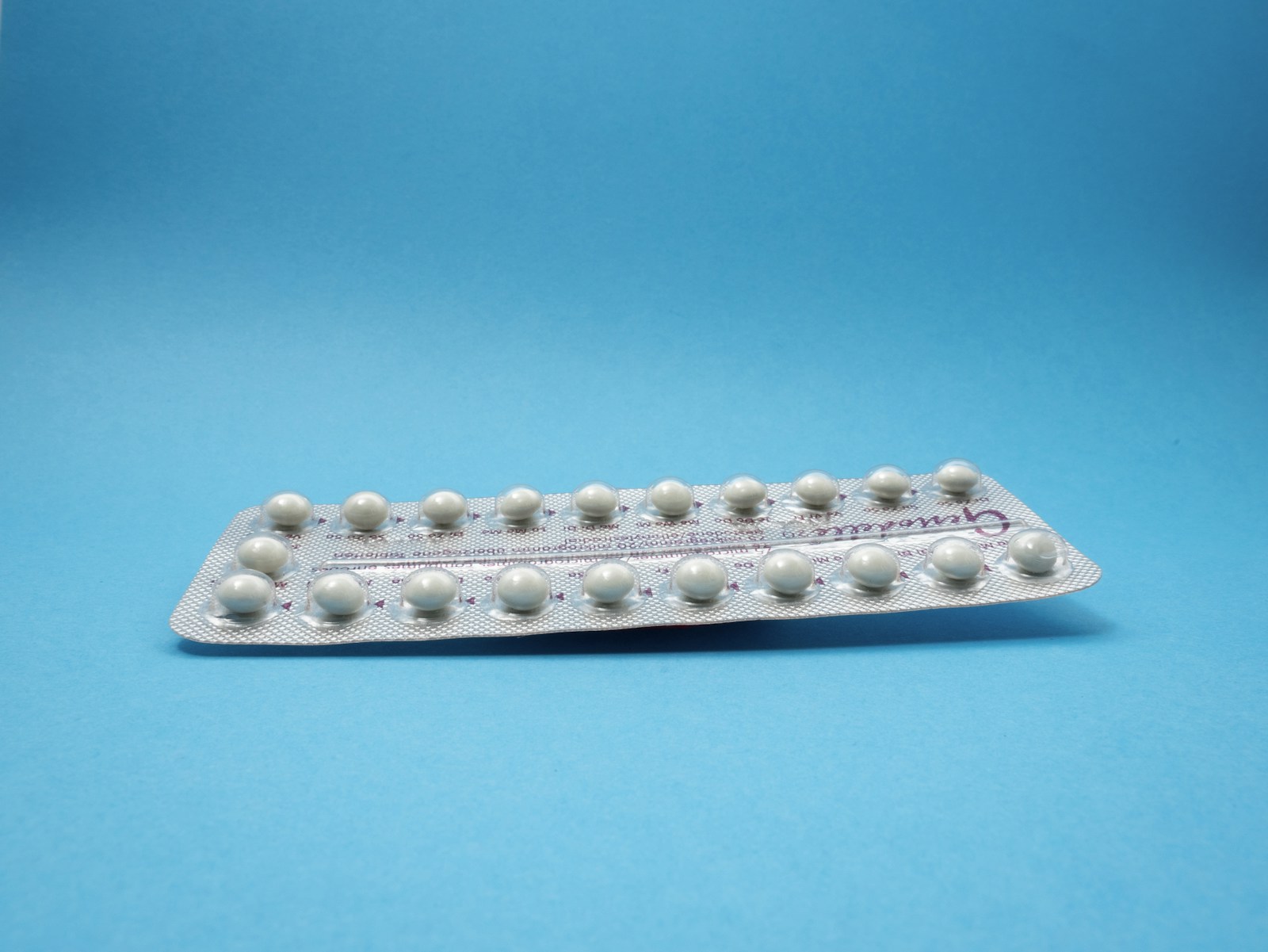
If spironolactone is finally clearing your hormonal acne but your cycle has gone sideways, you usually do not have to stop. Irregular periods are one of the most common side effects of spironolactone, they are often temporary, and there are several ways to settle them while keeping the acne benefit.
One thing comes before everything else, though. If a period has gone missing, take a pregnancy test before assuming the medication is the cause. This matters more on spironolactone than on most acne treatments, because spironolactone should not be taken during pregnancy. It blocks androgens, the hormones that drive development of a male fetus, and animal studies showed feminization of male offspring. If you are pregnant or trying to conceive, stop the medication and talk to your prescriber. If you could become pregnant, reliable contraception is part of taking this drug safely.
Why Spironolactone Messes With Your Period
Spironolactone works for acne by blocking androgen hormones at the skin, and that same hormonal activity can disrupt the menstrual cycle. In published reports, roughly 15 to 30 percent of women taking spironolactone notice menstrual changes. The usual patterns:
- Spotting or breakthrough bleeding between periods, especially in the first two to three months.
- Cycles arriving early or late, or varying month to month.
- Lighter or heavier flow than your usual.
- Occasionally a missed period.
The trial data has a surprising wrinkle. When researchers pooled the randomized trials, menstrual irregularities showed up in about 18 percent of women on spironolactone and about 20 percent on placebo. Irregular cycles are common in exactly the population that gets hormonal acne, including women with polycystic ovary syndrome, so not every cycle change is the drug's fault. What does track with the medication is dose: menstrual side effects are reported more often at 150 to 200 mg per day than at 50 to 100 mg. That dose link is also why this problem is usually fixable without quitting.
Top Tips for Managing Irregular Periods on Spironolactone
These are ordered the way a prescriber actually walks the decision, from lightest touch to last resort. Panicking and quitting cold is the most common mistake, because for many women this was the first medication that actually worked.
1. Rule out pregnancy before you blame the medication
Worth repeating because it is the one non-negotiable step. A missed or strange period on spironolactone gets a pregnancy test first, every time, because this drug should not be taken during pregnancy. Everything below assumes that test is negative.
2. Give it two to three cycles
Menstrual changes are most common in the first two to three months and frequently settle as your body adjusts. If the spotting is mild and your acne is responding, waiting two to three cycles before changing anything is a reasonable and common plan. Track your cycle in the meantime so the follow-up conversation runs on real dates instead of guesses.
3. Ask about a lower dose
Because menstrual side effects are dose-dependent, dropping from 150 mg to 100 mg, or from 100 mg to 50 mg, often calms the cycle while keeping most of the acne benefit. Acne responses to spironolactone build over months, so a dose reduction is not a reset to zero. This is a quick prescriber conversation, not a new workup.
4. Consider adding a combined birth control pill
This is the fix dermatologists reach for most, because it solves three problems at once:
- Combined pills regulate the cycle, and studies consistently show menstrual side effects are less common in women taking spironolactone alongside combined oral contraception.
- Combined pills treat hormonal acne themselves, so the two medications work in the same direction.
- They provide the reliable contraception that matters on a medication that should not be taken in pregnancy.
Not everyone can take estrogen-containing pills, so this option depends on your history, including migraine with aura, blood clot risk, and smoking status. That screening is exactly what a prescriber checks before saying yes. If the pharmacy has ever swapped your pill for a different generic and you were not sure it was the same thing, we cover that separately in what it means when the pharmacy hands you a different generic of your birth control.
5. Switch only if nothing above works
If the cycle disruption is intolerable after waiting, a dose reduction, and a pill have all been tried or ruled out, the honest alternatives include topical clascoterone (Winlevi), a cream that blocks androgens at the skin without body-wide hormonal effects, along with standbys like tretinoin, and oral antibiotics for a defined course. We walk through that ladder in detail in our article on hormonal acne treatments beyond spironolactone. Switching is the last tip on this list for a reason: you would be giving up a medication that is visibly working.
When to Contact Your Doctor
See a clinician promptly, rather than waiting it out, if you have:
- A positive pregnancy test or a real chance of pregnancy.
- Heavy bleeding that soaks through protection hourly, or bleeding lasting more than seven days.
- Bleeding after sex, or bleeding accompanied by significant pelvic pain.
- Cycles that were already irregular before spironolactone. That pattern points at something underlying, such as PCOS or a thyroid issue, that deserves its own evaluation instead of being blamed on the acne medication.
For everything milder than that, the realistic path is the tip list above: rule out pregnancy, give it two to three cycles, then adjust the dose or add a combined pill if it has not settled. Stopping entirely is the last resort, not the first response.
How Well Revolution Handles This
This is exactly the kind of problem that should not require a new dermatology appointment and a six-week wait. With Well Revolution you message a licensed provider by chat, describe what your cycle is doing, and get a same-day answer on whether to wait, lower the dose, or add a pill. Prescription changes and new prescriptions are handled in the same conversation, with no appointments and unlimited follow-up, so you can check back in after your next cycle without starting over. Availability varies by state, so message us and we will confirm coverage in your state.
Worth knowing while you are sorting out hormones and skin: hormonal shifts can also show up in your hair. If you have noticed shedding after a birth control change, see our article on hair loss after stopping birth control, which covers when spironolactone itself is used for that problem.
FAQs: Spironolactone and Your Period
1. Will my period go back to normal if I keep taking spironolactone?
Often, yes. Menstrual changes are most common in the first few months and frequently settle on their own. If they persist past two to three cycles, a dose adjustment or adding a combined birth control pill usually resolves them.
2. Does a lower dose still work for acne?
Spironolactone is used for acne across a range of roughly 50 to 200 mg daily, and many women do well at 50 to 100 mg. Since menstrual side effects are dose-dependent, a reduction is the standard first adjustment.
3. Can spironolactone stop my period completely?
It can occasionally cause a missed period, but never assume that is the explanation. Take a pregnancy test first, because spironolactone should not be taken during pregnancy.
4. Do I have to take birth control with spironolactone?
It is not an absolute requirement, but reliable contraception is strongly recommended for anyone who could become pregnant, and a combined pill has the added benefits of steadying your cycle and treating acne itself.
5. How fast can I get my dose adjusted?
Through Well Revolution, same day. Chat with a licensed provider, and if a change makes sense the updated prescription goes to your pharmacy without an appointment.
Reviewed by PA Michael Rubio, US Medical Director
What it costs with Well Revolution
$80 for the Limited Treatment Plan. If approved, you will receive a 90 day treatment plan with 7 days a week support. Perfect for first time patients who are trying it out.
Or $90 for the Unlimited Membership. If approved, you will receive 3 months of care with 7 days a week support, plus unlimited prescriptions, lab tests, imaging orders, letters and referrals with same day care, cancel anytime, no fees. Perfect for established patients looking for full care.