
Conditions
Why Vitamins Sometimes Don’t Work Even with Supplements
When your body can’t absorb nutrients properly, even healthy eating or supplements may not help. Here’s why and what to do.

Well Revolution
October 14, 2025
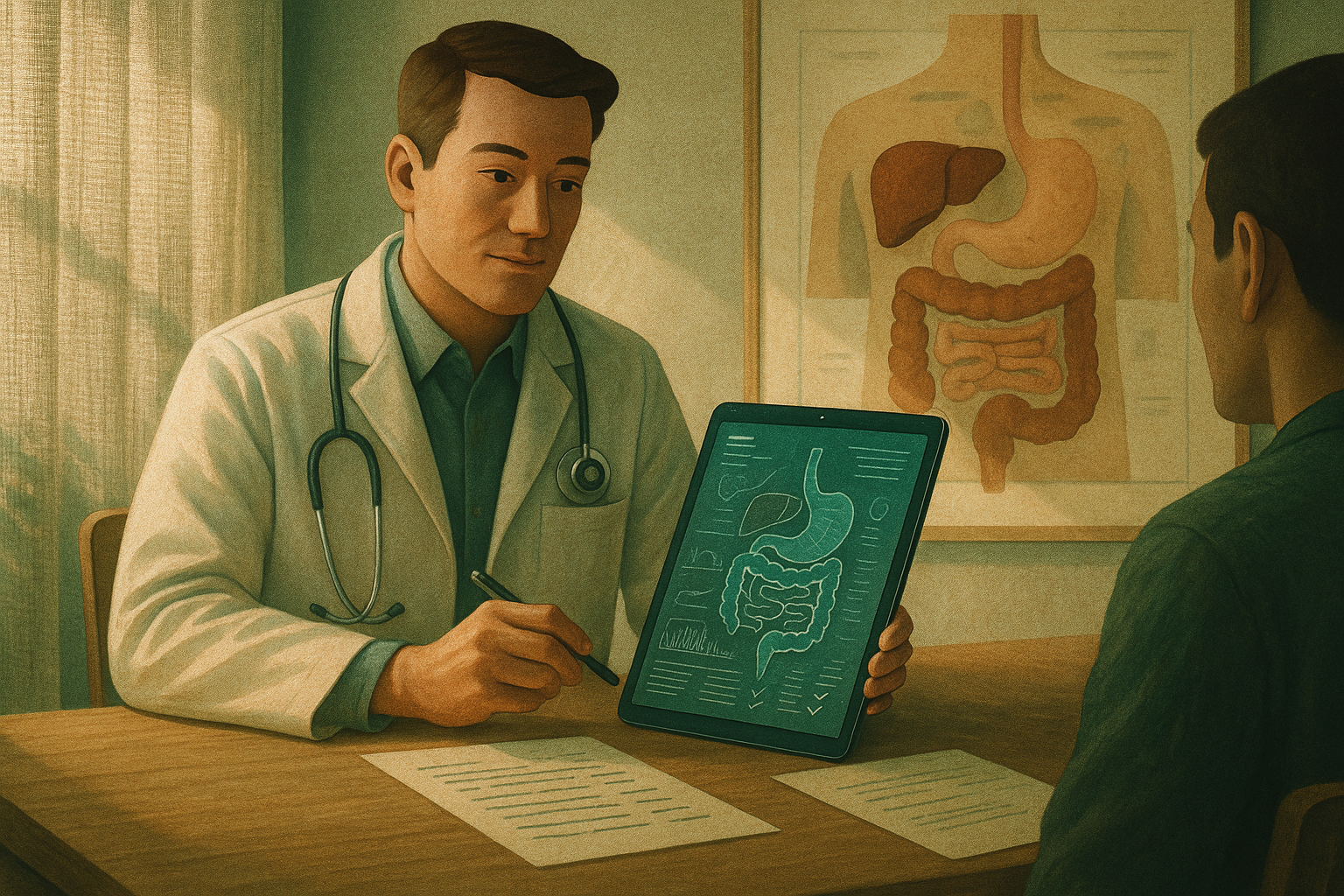
When your body can’t absorb nutrients properly, even healthy eating or supplements may not help. Here’s why and what to do.

If your vitamin levels stay low even though you take supplements, your body might not be absorbing nutrients properly. This is called malabsorption, and it means your gut isn’t doing its full job of breaking down food and absorbing vitamins into your bloodstream.
When your digestive system can’t absorb nutrients, it doesn’t matter how many supplements you take—your body simply can’t use them. That can lead to fatigue, weakness, nerve problems, brittle bones, or even anemia. Fixing this starts with understanding what’s causing the absorption problem.
Malabsorption isn’t one condition it’s a clue that something’s wrong with how your stomach, pancreas, or intestines are working. Once doctors find the cause, treatment is usually straightforward, and your body can begin to recover.
Malabsorption happens when your digestive system has trouble absorbing nutrients like vitamins, minerals, fats, or proteins. It can result from several different issues:
These conditions affect different steps in digestion from breaking down food, to absorbing nutrients through the intestinal wall, to transporting them into your bloodstream (1–3).
When absorption is damaged, your body may not be able to use nutrients from either food or supplements. For example, people with certain gut conditions might swallow vitamin B12 or D tablets every day and still remain deficient because the gut can’t move those vitamins into the bloodstream (4–7).
That’s why taking more pills isn’t always the answer. In some cases, vitamins must be given by injection or through an IV. These routes deliver nutrients directly into the blood, bypassing the gut altogether (2,5,8).
Vitamin B12 is essential for nerve health, blood formation, and brain function but it’s one of the first vitamins to drop in malabsorption. To be absorbed properly, B12 needs stomach acid, a protein called intrinsic factor, and a healthy small intestine. If any of these are missing such as in pernicious anemia, gastric atrophy, or after stomach or bowel surgery B12 levels will fall no matter how much you take orally (4–7).
The most effective treatment is B12 injections, usually 1000 micrograms every few weeks. This bypasses the gut and restores levels quickly (6,7).
Vitamin D deficiency is also common in malabsorption, especially in conditions affecting fat absorption. Research shows that people with gut disorders may absorb 25-hydroxyvitamin D3 better than regular vitamin D3, making it a better supplement choice for them (9).
Other vitamins like A, E, K, iron, and folate can also drop during long-term malabsorption. These may need special formulations or parenteral (injected) delivery to correct (2,5,8).
Treatment depends on what’s causing the absorption problem. Once providers identify the cause, they can tailor care:
Your provider will monitor your bloodwork regularly and adjust treatment as your gut heals. Many people start feeling better within a few weeks of starting the right therapy.
If your vitamin levels are low and oral supplements aren’t helping, Well Revolution can connect you directly with licensed healthcare providers who can assess your symptoms, test for malabsorption, and prescribe vitamin injections when needed.
Through Well Revolution you can:
This means faster access to care and faster recovery without the long wait for specialist referrals.
While your provider manages the medical side, you can support healing by eating a balanced diet, staying hydrated, limiting alcohol, and avoiding heavily processed foods. Follow up regularly to monitor vitamin levels and overall progress.
With the right treatment and care, most people regain their energy, restore healthy vitamin levels, and return to feeling like themselves again.
Health concerns, no matter how minor they may seem, can severely impact your overall well-being and quality of life. If you're experiencing symptoms or have concerns about a specific health condition, remember that timely and expert advice is key. Navigating healthcare can be challenging, but finding the right primary care physician shouldn't be. Whether you're seeking medical advice, a prescription or care, immediate access to expert primary care is just a button away. Don’t leave your health to chance—consult a Well Revolution primary care provider today for peace of mind and professional care.
Concerned, need advice, a prescription, refill or referral?
Text a doctor now


