
Medications
What To Do If You Miss a Zepbound (tirzepatide) Dose
Learn how to manage a missed Zepbound dose and adjust your schedule safely without compromising effectiveness.

Well Revolution
November 3, 2025
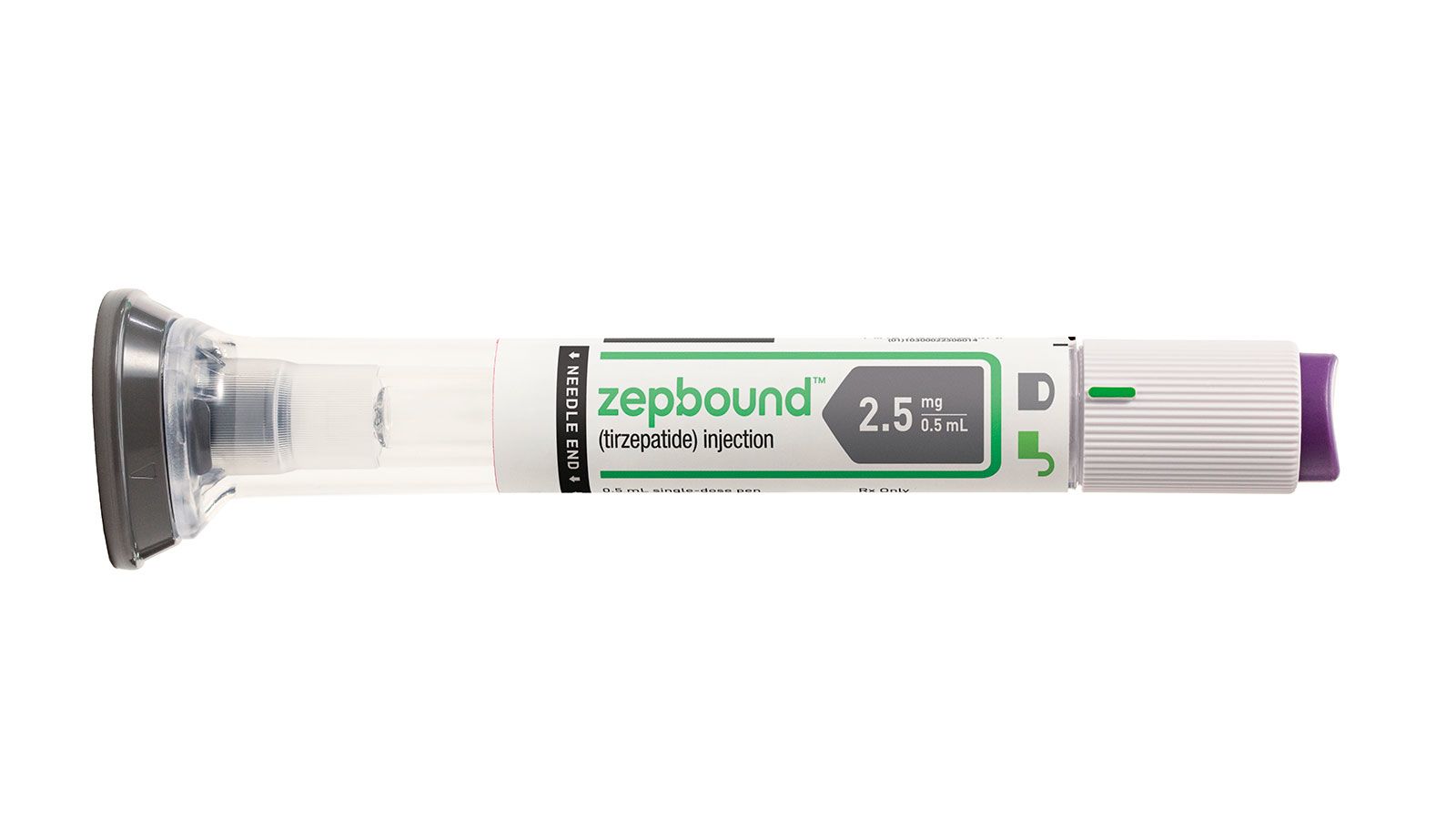
Learn how to manage a missed Zepbound dose and adjust your schedule safely without compromising effectiveness.

Missing a dose of Zepbound (tirzepatide) can be managed safely by adjusting your dose schedule without compromising medication effectiveness.
If you've missed your Zepbound injection, it's important to know how to resume your schedule correctly. This helps in maintaining steady drug levels and reduces risks like adverse side effects.
Tirzepatide, the active ingredient in Zepbound, is carefully dosed weekly to maintain its efficacy while minimizing side effects. Understanding when and how to adjust for a missed dose is crucial. According to FDA guidelines, if you miss your dose beyond 96 hours, skip it and take the next one as scheduled (Zepbound, 2025).
Zepbound is prescribed for weekly administration due to its long elimination half-life, which is approximately 5 days. This means that the drug stays in your system at an effective level for several days after administration. The once-weekly schedule is designed to keep blood levels stable without daily administration (Zepbound, 2025).
If you ever miss a dose, the FDA recommends taking it as soon as you remember, provided it is within 96 hours (or 4 days) of your scheduled injection time. This guideline ensures that therapeutic levels are maintained without causing a spike in concentration that could lead to increased side effects, such as gastrointestinal discomfort or hypoglycemia (Zepbound, 2025).
Consistency is crucial when taking medications like Zepbound. The 72-hour minimum interval between doses allows for adequate drug clearance from your body before re-administration. This helps prevent overlapping of doses, which can result in higher plasma concentrations than intended. High levels of tirzepatide might increase the risk of side effects, especially in patients who also use insulin or insulin secretagogues (Zepbound, FDA update 2025).
Changing your weekly injection day is possible, but it requires adhering to the 72-hour rule between doses. This flexibility can help accommodate lifestyle changes or scheduling needs, as long as the risk of overlapping doses is avoided (Mounjaro, FDA update 2025).
While general guidelines prescribe specific actions for managing missed doses, individual factors can alter these recommendations. However, it is rare for patient-specific factors, such as liver or kidney function, to necessitate a change to the standard dosing schedule. According to recent studies, hepatic impairment does not significantly affect the metabolism of tirzepatide (Apovian et al., 2025).
For patients at a higher risk of hypoglycemia (e.g., those using insulin), cautious management of concurrent medications may be recommended. In cases where dosing adjustments are considered, healthcare providers can offer personalized guidance based on comprehensive medical evaluations (Yanovski & Yanovski, 2024).
Understanding the rationale behind these dosing intervals emphasizes safety and efficacy. The 72-hour minimum interval is a safeguard based on pharmacokinetic studies showing safe and effective maintenance of drug levels while minimizing undue stress on the body (Dahl et al., 2022).
While the chances of needing an altered dosing schedule are slim, healthcare professionals can provide the latest insights from clinical trials and real-world evidence to ensure that you're managing your medication effectively and safely (Mounjaro, FDA update 2025).
Health concerns, no matter how minor they may seem, can severely impact your overall well-being and quality of life. If you're experiencing symptoms or have concerns about a specific health condition, remember that timely and expert advice is key. Navigating healthcare can be challenging, but finding the right primary care physician shouldn't be. Whether you're seeking medical advice, a prescription or care, immediate access to expert primary care is just a button away. Don't leave your health to chance - consult a Well Revolution primary care provider today for peace of mind and professional care.
1. Zepbound. Food and Drug Administration. Updated date: 2025-09-25.
2. MOUNJARO. Food and Drug Administration. Updated date: 2025-09-25.
3. Clinical Management of Obesity – Third Edition. Caroline M. Apovian MD, Louis Aronne MD, Sarah R. Barenbaum MD. The Obesity Society (2025).
4. Approach to Obesity Treatment in Primary Care: A Review. Yanovski SZ, Yanovski JA. JAMA Internal Medicine. 2024;184(7):818-829. doi:10.1001/jamainternmed.2023.8526.
5. Effect of Subcutaneous Tirzepatide vs Placebo Added to Titrated Insulin Glargine on Glycemic Control in Patients With Type 2 Diabetes: The SURPASS-5 Randomized Clinical Trial. Dahl D, Onishi Y, Norwood P, et al. JAMA. 2022;327(6):534-545. doi:10.1001/jama.2022.0078.
Concerned, need advice, a prescription, refill or referral?
Text a doctor now


