1 Big Thing
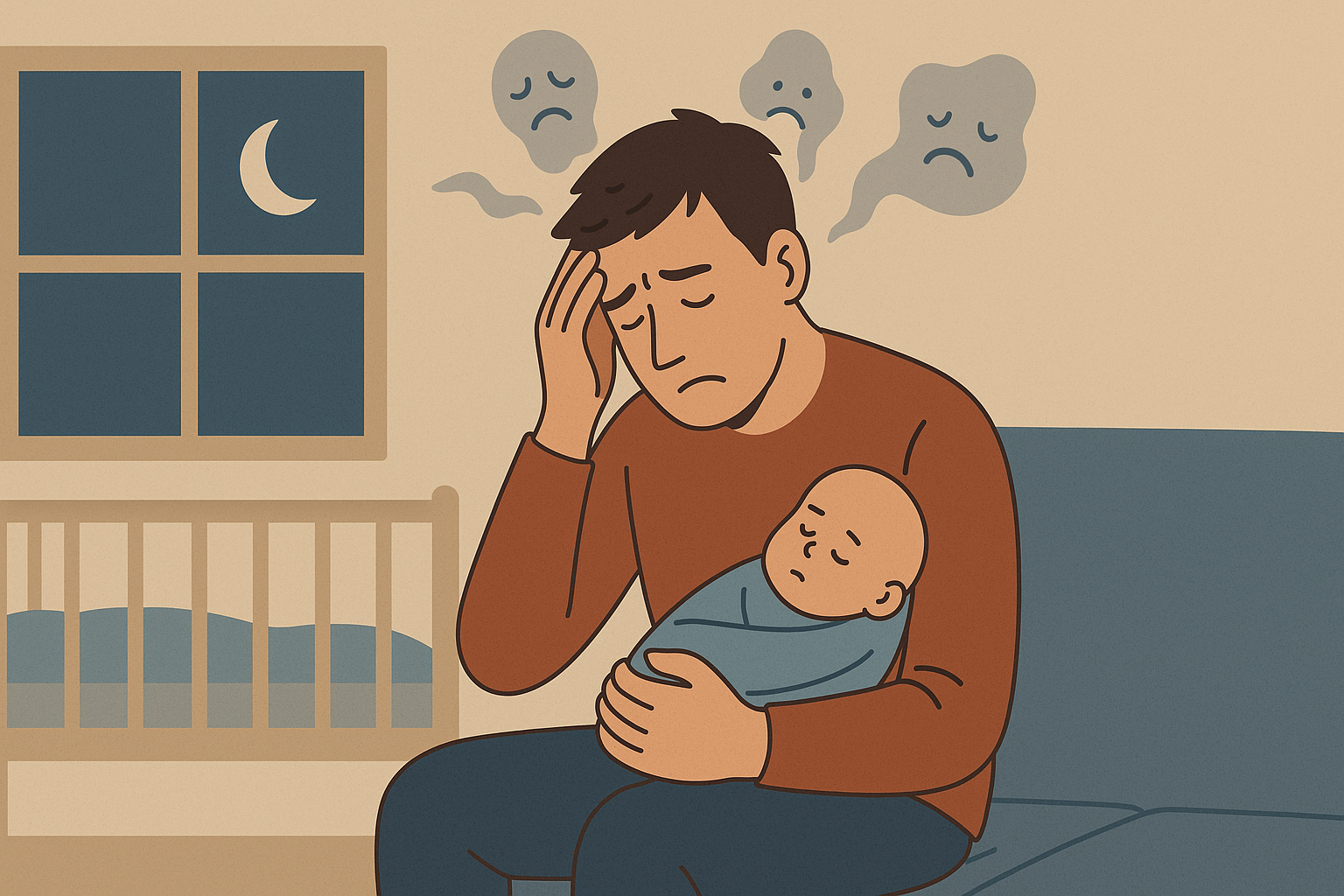
Men experience postpartum too not through labor and delivery, but through hormonal shifts that directly affect their mood, energy, and relationships after becoming a dad.
Why It Matters
If those shifts are ignored, men often get mislabeled with anxiety or depression and handed a prescription that doesn’t address the root cause. Untreated hormonal imbalance can make the early months of fatherhood harder than they need to be for you, your partner, and your family.
Between the Lines
These changes aren’t imaginary. They’re measurable, and they help explain why so many men feel “off” in ways they can’t quite name.
Go Deeper
Understanding your hormones is the first step toward managing your moods, reclaiming energy, and showing up fully as a partner and father. The good news? There are multiple paths natural, medical, or a blend of both.
What’s Really Happening to Men After Birth?
- Testosterone drops: Often linked to fatigue, irritability, and low sex drive.
- Cortisol rises: Chronic stress keeps the body in “fight or flight,” worsening anxiety and disrupting sleep.
- Prolactin rises: May increase nurturing behavior but can also leave men feeling emotionally flat.
These shifts are part of biology’s design to help fathers bond and care for their infants. But when levels swing too far or stay unbalanced, it can trigger mood changes that look like depression or anxiety.
The Emotional Fallout: How It Shows Up Day to Day
- Short temper with your partner or at work.
- Brain fog or lack of motivation.
- Feeling like you’re “just surviving” instead of connecting.
- Difficulty sleeping even when the baby is asleep.
- Emotional distance from your partner or child.
These aren’t personality flaws. They’re warning signs your system is out of balance.
Why Antidepressants Aren’t the Whole Answer
Too often, men walk into a doctor’s office and leave with an SSRI. While medication can help, it doesn’t fix hormonal drivers like low testosterone or high cortisol. Without testing, you may end up treating symptoms but never the actual cause.
Think of it this way: if your car won’t start because the battery’s dead, antidepressants are like painting the hood a different color. Looks like you’re doing something, but the engine still won’t run.
Step 1: Objective Assessment
Before guessing, get the data. Ask your provider for:
- Testosterone panel
- Cortisol (AM levels if possible)
- Prolactin
- Thyroid hormones (TSH, Free T3, Free T4)
- Vitamin D and B12 (nutrient deficiencies can mimic mood issues)
Armed with labs, you can have an informed conversation about what’s really happening.
Step 2: Explore Your Options
Naturopathic Approaches
- Sleep hygiene: Prioritize quality over quantity. Blackout curtains, no screens before bed, and naps when possible.
- Nutrition: Zinc, vitamin D, magnesium, and omega-3s support testosterone and mood stability.
- Strength training: Even 2–3 sessions per week can significantly boost testosterone and lower stress.
- Mind-body practices: Meditation, breathwork, or even a 10-minute daily walk lowers cortisol and clears brain fog.
Western Treatments
- Testosterone Replacement Therapy (TRT): Effective when levels are low, but requires careful monitoring.
- Clomiphene and enclomiphene: Can counteract the physiologic decline in testosterone observed in new fathers by stimulating endogenous gonadotropin (LH and FSH) secretion, thereby increasing testicular testosterone production
- Sleep or anti-anxiety meds: May help short-term but don’t solve the root cause.
- Antidepressants + hormone support: Sometimes the best results come from combining approaches.
Step 3: Partner With a Provider Who Gets It
Not every provider is trained to connect male hormones and postpartum mood changes. Find one who:
- Runs full blood panels, not just quick screenings.
- Discusses lifestyle, not just prescriptions.
- Explains treatment options in plain language.
Your job is not to “man up.” Your job is to get the right support.
Bottom Line
Postpartum shifts in men are real. They can throw off your mood, energy, and relationships, but they’re not a character flaw. They’re biology. And biology has answers.
The solution isn’t to white-knuckle your way through early fatherhood or settle for a one-size-fits-all prescription. It’s to understand what your hormones are doing, explore both natural and medical options, and take steps that help you feel like yourself again so you can show up fully for your family.