
Innovation
My Premium Is Rising and I Need a Doctor Who Can Help Me Save Money
High deductibles delay medical care, leading to worse outcomes for patients, especially those with chronic conditions.

Well Revolution
November 4, 2025
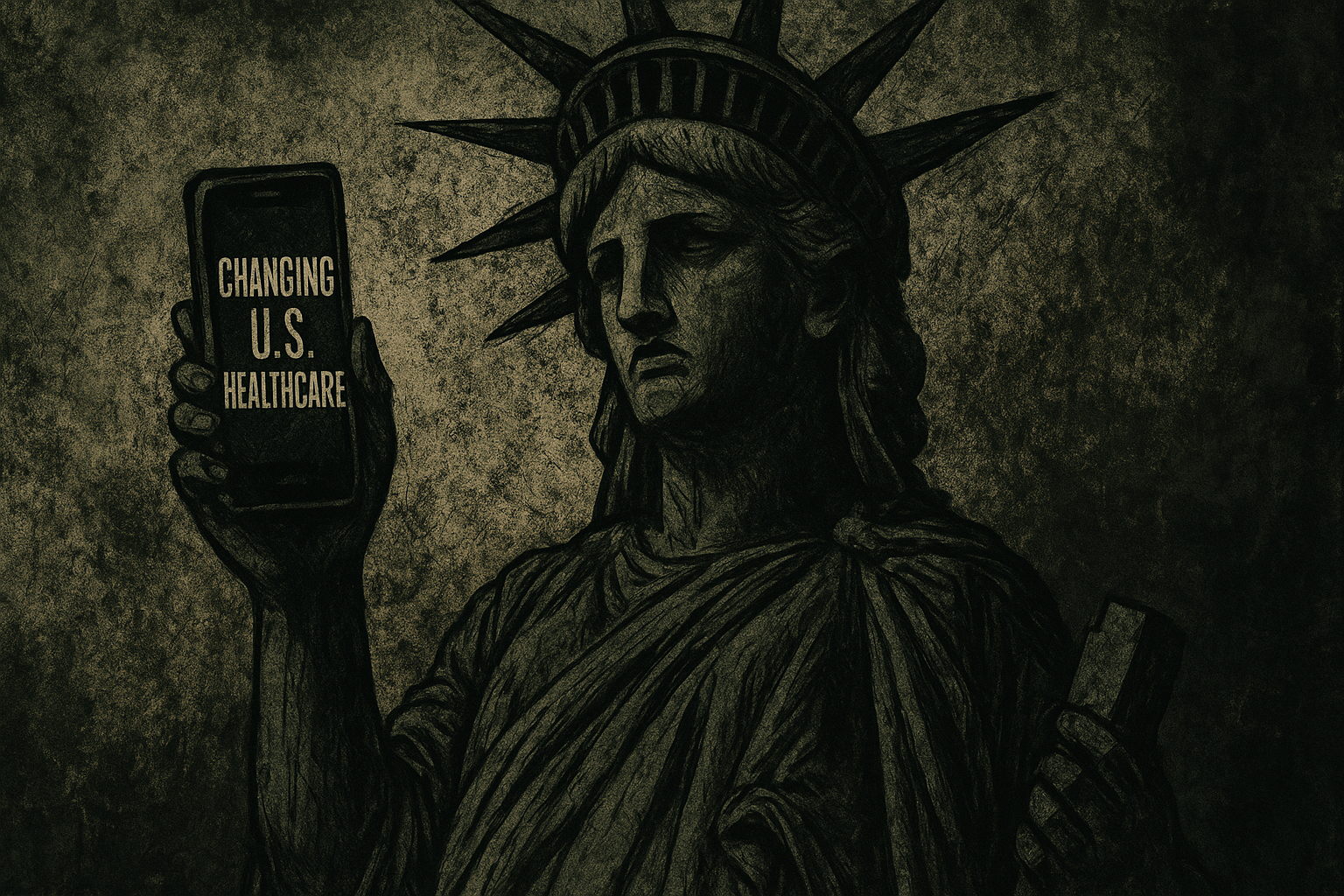
High deductibles delay medical care, leading to worse outcomes for patients, especially those with chronic conditions.

High deductibles in health insurance plans are causing many patients to delay or entirely forgo necessary medical care.
This delay in care can lead to worsening health outcomes, particularly for patients with chronic illnesses, increasing their risk of complications.
Studies show that high-deductible health plans (HDHPs) lead to reduced medical visits and treatments, due to the direct cost burden on patients not yet meeting their deductibles (Sandoval et al., 2021).
High deductibles often mean that patients are responsible for a significant portion of their medical costs until their deductible is met. For many, this financial obligation is daunting, discouraging them from seeking necessary medical care until absolutely necessary.
This can result in delayed diagnoses and treatment, which is especially concerning for chronic conditions that benefit from early intervention (Rabin et al., 2017).
According to a study published in JAMA Network Open, individuals with high-deductible plans are significantly more likely to put off healthcare due to costs, regardless of their income level or health status (Sandoval et al., 2021).
This suggests that high deductibles serve as a uniform barrier impacting access across different socioeconomic and demographic groups.
Patients with chronic conditions like diabetes or asthma face compounded challenges under high-deductible plans. They require ongoing medication, regular check-ups, and consistent monitoring to manage their health effectively. The burden of cost can lead these patients to skip routine visits and ration medication, exacerbating their health conditions (Gidwani et al., 2025).
A study in the Journal of General Internal Medicine highlights that families with chronic conditions are particularly vulnerable, as they are already under financial and emotional strain from ongoing healthcare needs (Galbraith et al., 2012).
These conditions, when not managed properly due to cost barriers, could lead to more severe health crises and emergency situations.
The barrier posed by high deductibles isn't limited to just the immediate out-of-pocket expenses. It has further ramifications, including contributing to long-term financial strain and potentially leading to greater healthcare costs in the future.
Delayed care can result in the need for more complex, and thus more expensive, treatments later on, as conditions worsen without ongoing management.
Furthermore, an inability to access preventive services can lead to under-diagnosed health issues, which, when finally addressed, could be in more advanced stages requiring intensive intervention and treatment (Veilleux et al., 2023).
While high deductibles affect all income groups, low-income families are disproportionately impacted. Many do not have liquid assets available to meet even a single day's healthcare expenses, which makes upfront costs untenable (Gaffney et al., 2020).
These financial constraints may compel low-income individuals to prioritize immediate needs over health care, leading to untreated conditions that can become more severe over time.
This situation is compounded by socioeconomic factors that may include lack of access to nearby quality healthcare facilities, transportation issues, and competing financial priorities such as food and housing, further complicating the overall health outcomes in these communities (Dickman et al., 2017).
Innovative models, such as Well Revolution, are emerging to tackle these barriers by removing the complexity of insurance from primary care. They offer predictable pricing structures that bypass the high deductible model entirely, allowing patients the kind of access to care that insurance-based models complicate.
Their approach is centered around affordable, direct-to-consumer healthcare, which can help mitigate the financial barriers posed by high deductibles (Sandoval et al., 2021).
By providing an annual flat fee for unlimited primary care access, such models address both cost and accessibility issues, ensuring patients can receive timely care without the financial burden posed by deductibles, potentially resulting in better health outcomes and fewer hospitalizations.
Health concerns, no matter how minor they may seem, can severely impact your overall well-being and quality of life. If you're experiencing symptoms or have concerns about a specific health condition, remember that timely and expert advice is key. Navigating healthcare can be challenging, but finding the right primary care physician shouldn't be. Whether you're seeking medical advice, a prescription, or care, immediate access to expert primary care is just a button away. Don't leave your health to chance - consult a Well Revolution primary care provider today for peace of mind and professional care.
1. Gidwani R, Yank V, Asch SM, et al. High-Deductible Health Plans and Receipt of Guideline-Concordant Care for Adults With Chronic Illness. JAMA Network Open. 2025;8(4):e258045. doi:10.1001/jamanetworkopen.2025.8045.
2. Galbraith AA, Soumerai SB, Ross-Degnan D, et al. Delayed and Forgone Care for Families With Chronic Conditions in High-Deductible Health Plans. Journal of General Internal Medicine. 2012;27(9):1105-11. doi:10.1007/s11606-011-1970-8.
3. Rabin DL, Jetty A, Petterson S, Saqr Z, Froehlich A. Among Low-Income Respondents With Diabetes, High-Deductible Versus No-Deductible Insurance Sharply Reduces Medical Service Use. Diabetes Care. 2017;40(2):239-245. doi:10.2337/dc16-1579.
4. Gaffney A, White A, Hawks L, et al. High-Deductible Health Plans and Healthcare Access, Use, and Financial Strain in Those With Chronic Obstructive Pulmonary Disease. Annals of the American Thoracic Society. 2020;17(1):49-56. doi:10.1513/AnnalsATS.201905-400OC.
5. Sandoval JL, Petrovic D, Guessous I, Stringhini S. Health Insurance Deductibles and Health Care–Seeking Behaviors in a Consumer-Driven Health Care System With Universal Coverage. JAMA Network Open. 2021;4(7):e2115722. doi:10.1001/jamanetworkopen.2021.15722.
6. Veilleux KA, Weissman JS. Does Being Poor and Sick Modify the Effect of Individuals on High-Deductible Health Plan (HDHP) Reporting Delayed/Foregone Care?. Journal of Health Care for the Poor and Underserved. 2023;34(2):673-684. doi:10.1353/hpu.2023.0057.
7. Dickman SL, Himmelstein DU, Woolhandler S. Inequality and the Health-Care System in the USA. Lancet (London, England). 2017;389(10077):1431-1441. doi:10.1016/S0140-6736(17)30398-7.
Concerned, need advice, a prescription, refill or referral?
Text a doctor now


